The three major themes support almost twenty research projects. To learn more, click on a theme below to visit its page.
Evaluating nutrition education in under-resourced communities
Assessing how Eat Better South Africa’s nutrition education programme supports healthier food choices and metabolic health in under-resourced communities.
Please follow the official academic social network presence of the Noakes Foundation’s Lab for Low Carb Nutrition Research on ResearchGate for the latest updates. This website’s research news is updated on an annual basis at year-end.
We define our research collaborators as those who have received any form of assistance from us. This can range from project support and academic advice to securing financial grants that cover entire research programmes. Our collaborators’ work contributes to Questioning the Science™️ with real-world insights on; low-carb nutrition for public health or fuelling exercise, plus academic free speech and digital safety.
Nutrition Education in Under-Resourced Communities
About Georgina
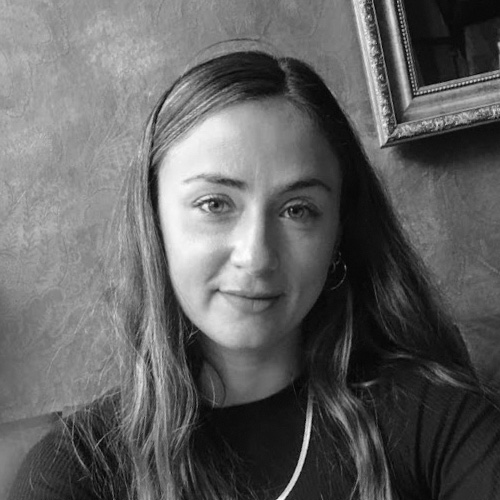
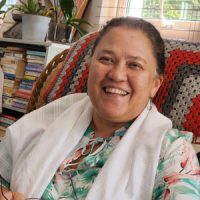
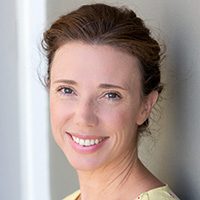
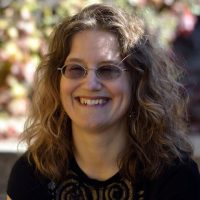
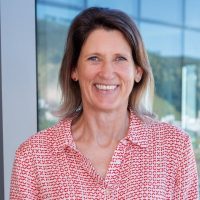
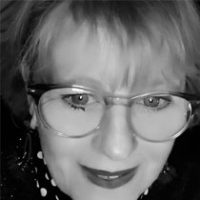
Georgina Pujol-Busquets Guillén
Dr Georgina Pujol-Busquets Guillén is a pharmacist and public health researcher whose work with The Noakes Foundation and Eat Better South Africa focuses on translating metabolic health and nutrition science into evidence from real-world communities. Since joining TNF, her research has examined how low-carbohydrate, healthy-fat and real-food approaches can be implemented, experienced and evaluated among South Africans living in under-resourced settings. Her work contributes to TNF’s Questioning the Science™️ mission by testing assumptions about conventional nutrition and chronic disease management against clinical outcomes, lived experience and the realities of food access, culture and public healthcare. Through EBSA projects in communities, she has helped build an evidence base around metabolic health interventions while examining their feasibility, acceptability and longer-term implementation. A particular focus of her research is the use of mixed methods, combining quantitative metabolic and clinical outcomes with qualitative research involving participants, healthcare professionals and communities. This approach challenges the idea that nutrition science can be understood through biomarkers alone and helps identify why interventions succeed, where they fail, and how they can be adapted to the people and environments they are intended to serve.
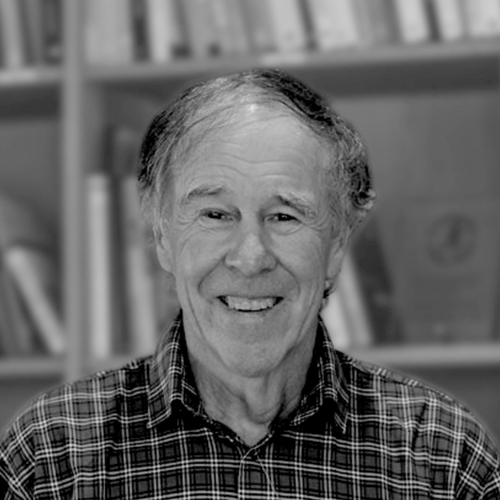
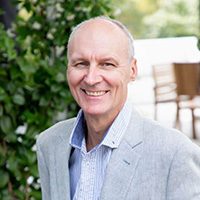
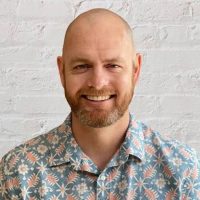
Prof Tim Noakes’ innovative scientific research has fundamentally changed the disciplines of Health and Sports Science, whilst making major contributions to public health worldwide. His PhD challenged dogma that exercise was fatal for heart disease patients. This novel thesis contributed to rehab programs prescribing exercise that better supported patient recovery. Dr Noakes fought an uphill battle to establish the Sports Science Institute of South Africa, which established his discipline as a legitimate contributor to the Medical field. Concerned at the increase of dangerous rugby injuries, his research supported safety measures that helped reduce catastrophic neck, head, and spinal injuries. Prof Noakes identified Exercise-Associated Hyponatremia as the novel risk of sports drink over-consumption. Related research also exposed the malfluence of international sports-drink corporations in aggressively funding “research” for The Science™️ of high consumption. Another novel contribution was identifying the dangers of over-training, with elite athletes destroying their careers by ignoring recovery signs. His findings contributed to smarter player management strategies, for example aiding the Springboks’ success in winning consecutive Rugby World Cups (2019, 2023). Noakes’ Central Governor Model introduced the groundbreaking theory that muscle fatigue is not a mechanical failure of the body, but a subconscious mechanism managed by the brain to protect the heart and organs from damage. After improving his health by shifting from carbo-loading to a low-carbohydrate, healthy fat (LCHF) diet, Emeritus Prof Noakes became a leading voice for the benefits of this traditional approach. However, his shifted stance resulted in severe personal and professional consequences, most notably: his subjection to a Health Professionals Council of South Africa hearing; experiences of academic mobbing and online bullying; and the withdrawal of research opportunities at his university employer. After “retiring”, he founded The Noakes Foundation to promote academic free speech and LCHF research in the Health Sciences. For over a decade, our PBO has expanded opportunities for research into the insulin resistance paradigm and LCHF outreach via Eat Better South Africa projects to under-resourced communities.
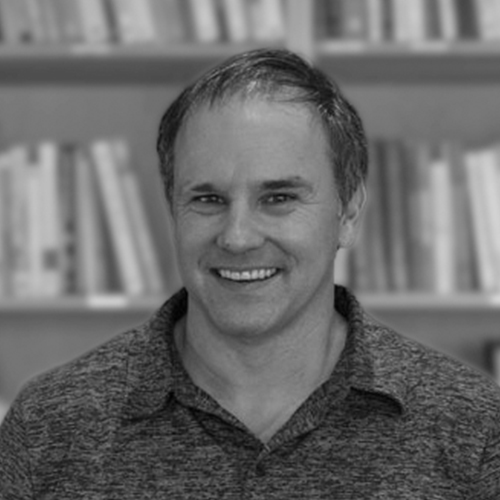
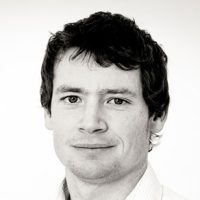
Travis’ research focuses on strategic communication. This initially explored the situated nature of individuals’ choices as online content producers. He has described how digital content creators’ voices feature multimodal choices than can support or detract from their intent. His latest research explores how the development of online personas can expose microcelebrities to new risks, such as brandjacking and academic cyberbullying. Plus, how instances of “health communication” may better be understood as propaganda if featuring deceptive messaging, external incentives, and coercion. Travis’ research has been published in leading peer-reviewed journals that include; Frontiers in Research Metrics and Analysis, Heliyon, Learning, Media and Technology, and Social Science Computer Review.
We are proud to have collaborated with a diverse range of researchers and partners who share our mission to question the science for better health outcomes through nutrition and lifestyle interventions.
Working closely with leading experts, healthcare professionals, academic institutions, and non-profits, we foster a collaborative ecosystem. It advances the understanding and application of low-carbohydrate, healthy fat (LCHF) principles and related undone science. We also support dissidents’ right to free speech and growing understanding of scientific suppression, online argumentation, and cybervictimisation.
Collaborating researchers and organisations
We understand research collaborators to be those who have received any form of assistance from us. This can range from project support and academic advice to securing financial grants that cover entire research programmes. Many of our collaborators contribute to Questioning the Science™ with real-world insights on LCHF nutrition for public health or fuelling exercise, and academic free speech. Other collaborators work with us in transdisciplinary research to better understand academic argument, digital voice, cybervictimisation and how to improve online safety.
Evaluating Nutrition Education in Under-Resourced Communities
Do get in touch if you are interested in becoming a research collaborator. Or if you are keen to be a research beneficiary and can share a funding proposal that we could feasibly work with you for securing an external funder for.