World Move for Health Day: Rethinking the Snack
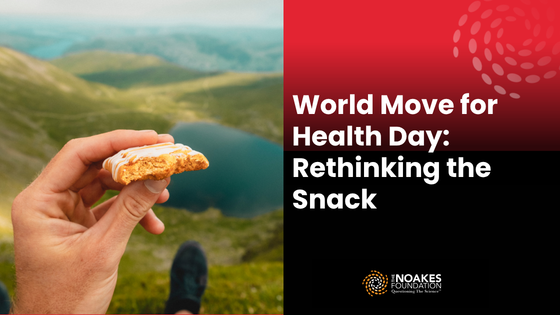
At The Noakes Foundation, we’ve never been fans of snacking. If food is doing what it is supposed to do, meals should be sufficient. Hunger should have a rhythm, not a constant presence, and the need to snack every few hours often says more about what we are eating than about how often we should […]
World Health Month: The Foods We Think Are Healthy
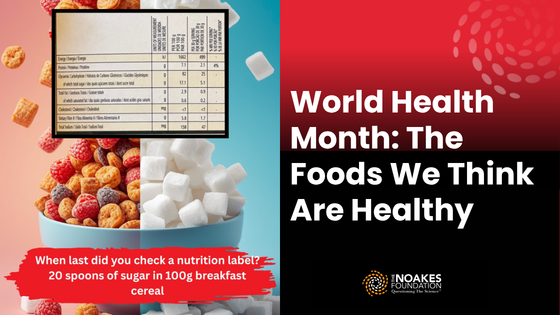
There is a quiet assumption that sits underneath many of our everyday food choices, and it rarely gets questioned. It is the idea that we can recognise what is healthy simply by looking at it, or by relying on how it has been positioned to us over time. Foods that feel familiar, convenient, or widely […]
7 April World Health Day: Stand With Science, But Don’t Stop Asking Questions
Every year on 7 April, the world marks World Health Day, a global initiative led by the World Health Organization (WHO) to highlight major health challenges and promote action to improve public health. In 2026, the theme is “Together for health. Stand with science.” The campaign encourages governments, scientists, health workers, and the public to […]
Greatest Moments of My 11 Years
After 11 years with The Noakes Foundation, it’s both humbling and emotional to pause and reflect on a journey that has shaped not only my career but my purpose. What began as stepping into the unknown quickly became a mission far greater than any one individual, a shared vision to challenge the status quo and […]
24 March: World TB Day Tuberculosis, Immunity and the Power of Metabolic Health
More than 140 years ago, on 24 March 1882, the German physician Robert Koch announced his discovery of the bacterium Mycobacterium tuberculosis, identifying the cause of tuberculosis (TB) and transforming the understanding of infectious diseases (3). Yet more than a century later, the fight against TB is far from over. Each year, World TB Day […]
Small Shifts, Big Health : Healthy Lifestyle Awareness Day – 20 February
Almost two months after people make their New Year’s resolutions to eat healthier and exercise more, much of this momentum is often forgotten as old habits take over and priorities shift. This reflects the reality that a lifestyle is shaped by everyday habits, values, and routines, including food choices, which influence long-term health over time. […]
Rethinking Chocolate Gifts This Valentine’s Day
As Valentine’s Day approaches, the tradition of gifting chocolates and other sweet treats emerges once again, almost always overshadowing healthier choices. This tradition, stemming as far as the Victorian era, where chocolate was associated with romance and luxury, has become very common for Valentine’s Day. Similar patterns arise during the Easter season and other special […]
When the Brain Runs Out of Fuel: A story of epilepsy, metabolism, and why food still matters
On International Epilepsy Day, the world turns purple. Buildings light up. Social feeds fill with ribbons. Stories of resilience, courage, and survival are shared, and rightly so. Epilepsy affects more than 50 million people globally, touching families, communities, and healthcare systems in ways that are often invisible to those looking in from the outside. But […]
World Cancer Day: Hope, “Scanxiety,” and the Growing Role of Lifestyle Medicine

World Cancer Day is not only a global awareness moment; it is also deeply personal. For many people, cancer is not an abstract statistic. It is a phone call you never expected. It is waiting rooms, treatment schedules, and the emotional rollercoaster that comes with living between scans, what many patients now call “scanxiety.” It […]
If the UK can ban junk food ads, then why can’t South Africa?
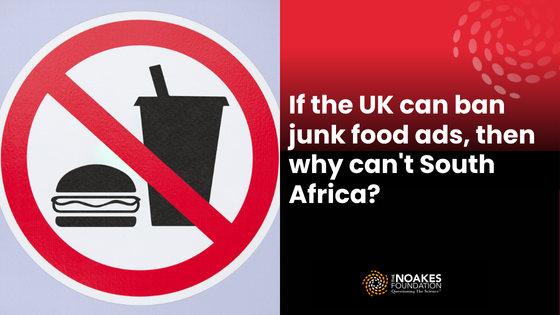
On 5 January 2026, the United Kingdom rolled out what its government calls a “world-leading action” banning junk food advertising on daytime television and across online platforms. A bold move aimed at protecting children from being bombarded with marketing for foods high in fat, sugar, and salt in an attempt to address the troubling rise […]