
Ultra-Processed Food and HPV: What Does the Research Say?
What does ultra-processed food have to do with HPV? A packet of chips seems an unlikely place to start a conversation about cervical health, but a 2026 study looked at something that rarely comes up in conversations about human papillomavirus (HPV): what people eat. HPV is a group of common viruses that can spread through […]
Type 2 Diabetes Remission: Celebrating Small Wins
If you’re living with type 2 diabetes, one of the first things you’ll usually hear at a follow-up is whether your HbA1c has gone up or down, but there’s another detail worth looking at alongside that number: what happened to your medication? Bringing your HbA1c down is worth celebrating in itself, and if you’ve done […]
Reclaiming Metabolic Health Through Everyday Choices
“Eat better.” It sounds simple… until you’re feeding a family on a tight budget and wondering what will keep everyone full until tomorrow. National Nutrition Week, observed from 9-15 October, is an opportunity to ask how we can make nourishing food a realistic part of daily life. Across South Africa, obesity, diabetes, and childhood stunting […]
Stroke Is Sudden. The Risk Often Isn’t.
A stroke can interrupt an ordinary afternoon without warning. Someone is talking across the table, reaching for a cup, finishing a story, and then their face changes, their arm weakens, or the words no longer come out as they should. The urgency is real, which is why World Stroke Day, marked on 29 October, asks […]
What Does Metabolic Health Have to Do With Alzheimer’s Disease?
Alzheimer’s disease is shaped by many factors, but nutrition is one area where individuals can take meaningful steps to support long-term brain health. Dietary patterns that emphasise whole foods and reduce refined carbohydrates are increasingly recognised as part of a pattern associated with lower dementia risk. They are not cures, but they may form part […]
When Industry Influences Nutrition Science, Real Food Should Still Win
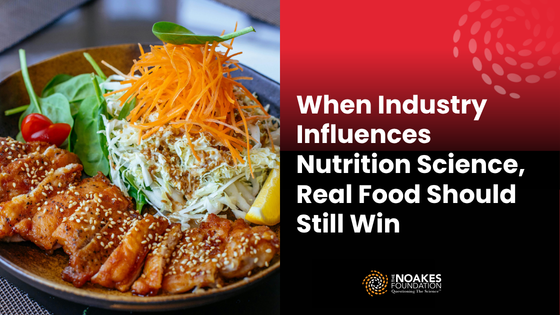
For decades, we were told that fat was the problem. Butter was pushed aside, egg yolks became something to limit, and supermarket shelves began filling up with products proudly labelled “low fat” or “fat free”. But when manufacturers removed the fat, they still needed the food to taste good, which often meant adding sugar, refined […]
Every Drop of Sweat Has a Story to Tell
If someone asked why exercise is good for you, most of us would probably have a similar answer…. It makes you stronger, it keeps your heart healthy, and who doesn’t love a good runner’s high? All of those things are true. But the truth is that they are also only part of the story. Scientists […]
Salt: Have We Been Asking the Wrong Question?
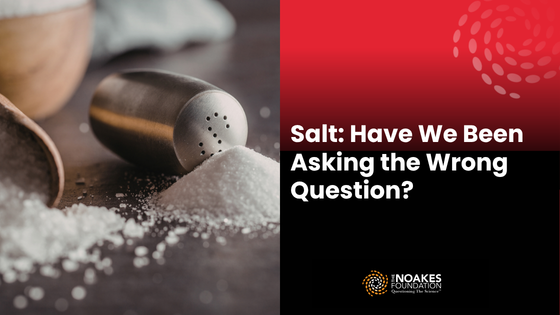
Each year, World Salt Awareness Week returns with a message that sounds settled, almost beyond debate: reduce salt intake for better health. It is often presented as one of the clearer areas of nutrition science, where the evidence is consistent and the guidance is straightforward. But nutrition has a long history of mistaking confidence for […]
Manage Your Energy, Not Your Time

Why feeling exhausted isn’t always a scheduling problem There is a quiet assumption built into modern life that if you are tired, overwhelmed, or struggling to keep up, the problem must be poor time management. Somewhere between productivity podcasts and colour-coded planners, many of us have absorbed the idea that better organisation is the answer […]
Rethinking Chocolate Gifts This Valentine’s Day
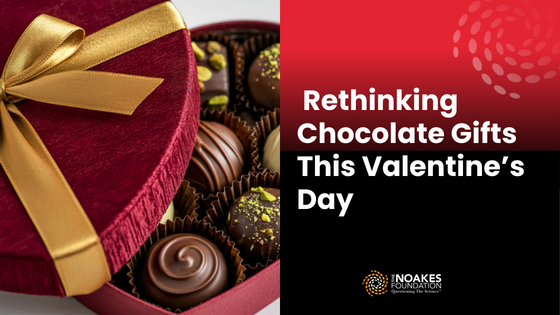
As Valentine’s Day approaches, the tradition of gifting chocolates and other sweet treats emerges once again, almost always overshadowing healthier choices. This tradition, stemming as far as the Victorian era, where chocolate was associated with romance and luxury, has become very common for Valentine’s Day. Similar patterns arise during the Easter season and other special […]